
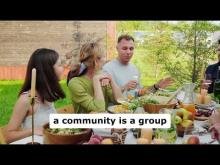
Introduction: What Is a Community?
Community is one of the most fundamental aspects of human existence. At its core, a community can be defined as a group of individuals bound by shared values, goals, traditions, or geographic location. But a community is more than just a gathering of people; it represents a shared sense of belonging, mutual support, and purpose. In a world that increasingly values individuality and self-sufficiency, understanding the meaning and importance of community has become more vital than ever. Whether it is a local neighborhood, an online group, or a spiritual congregation, communities provide the framework for individuals to grow, thrive, and contribute meaningfully to society.
From ancient civilizations to modern societies, human beings have relied on communities to meet emotional, social, and survival needs. Today, we continue to find meaning in connecting with others, and these connections enrich not only the lives of individuals but also society at large. This article delves into the meaning, types, and value of communities while exploring their impact on personal growth, society, and spirituality.
The Value of Community: Why It Matters
- Fostering Connection and Belonging
Human beings are inherently social creatures. A strong community offers individuals a sense of belonging and identity, which is essential for emotional well-being. According to a 2020 study published in the journal Nature Human Behaviour, social connections significantly enhance happiness and longevity. People who feel connected to their communities are less likely to experience depression, anxiety, or isolation. - Providing Support and Safety
Communities serve as a support system during times of need. Whether it is financial assistance, emotional encouragement, or practical help, a network of individuals offers a safety net that ensures no one has to face challenges alone. For instance, mutual aid networks that emerged during the COVID-19 pandemic demonstrated how communities could come together to address urgent needs. - Facilitating Personal Growth
Communities encourage individual growth by exposing members to new ideas, diverse perspectives, and constructive feedback. Being part of a group allows individuals to learn from one another and build skills that benefit them both personally and professionally. - Driving Social Progress
On a societal level, communities are the backbone of movements that bring about change. From civil rights campaigns to environmental activism, collective efforts driven by community action have reshaped history and continue to influence modern life.
Types of Human Communities
- Geographical Communities
These are communities bound by physical location, such as neighborhoods, towns, or cities. They provide opportunities for face-to-face interaction and often rely on shared resources like schools, parks, and local businesses. - Cultural and Ethnic Communities
These groups form around shared heritage, traditions, and cultural practices. Examples include indigenous tribes, diaspora communities, or language-specific groups. These communities play a vital role in preserving and celebrating identity. - Interest-Based Communities
With the rise of technology, people have increasingly formed communities around shared hobbies, professions, or passions. Examples include book clubs, online gaming groups, and professional networks like LinkedIn. - Spiritual and Religious Communities
Religious groups and spiritual gatherings unite people with shared beliefs and practices. These communities often provide moral guidance, emotional support, and a sense of higher purpose. - Virtual Communities
The digital age has given rise to online communities, where people connect despite geographical distances. Platforms like Reddit, Discord, and Facebook host countless groups where individuals exchange ideas, resources, and support.
The Value of Community to Individuals, Society, and Spirituality
- For Individuals
- Emotional Well-Being: Belonging to a community reduces feelings of loneliness and fosters positive mental health.
- Skill Development: Engaging with a group often involves teamwork, leadership, and communication skills that benefit personal development.
- Networking Opportunities: Communities offer platforms for professional and personal connections that can lead to career advancements and friendships.
- For Society
- Social Stability: Strong communities create cohesive societies where individuals feel invested in collective well-being.
- Civic Engagement: Communities encourage participation in local governance, volunteerism, and advocacy.
- Innovation and Collaboration: Diverse groups foster creativity and problem-solving by bringing together unique perspectives.
- For Spirituality and Religion
- Moral Guidance: Religious communities offer frameworks for ethical living and decision-making.
- Shared Worship: Coming together for worship strengthens spiritual bonds and creates a sense of unity.
- Support in Crisis: Faith-based communities often provide solace and hope during life’s difficulties, emphasizing compassion and resilience.
What Makes a Good Social Community?
- Inclusivity and Diversity
A thriving community welcomes people from all walks of life and values diverse perspectives. Inclusivity fosters creativity, understanding, and mutual respect. - Clear Purpose and Shared Goals
Communities with a defined mission or shared values create a sense of direction and purpose for their members. - Active Participation
The strength of a community lies in the active engagement of its members. A good community encourages participation through open communication, shared responsibilities, and collective decision-making. - Trust and Accountability
Trust is the foundation of any successful community. Members must feel confident that their voices will be heard and their contributions valued. - Strong Leadership
Effective leaders inspire, guide, and mediate within the community, ensuring its goals are met and its members’ needs are addressed.
Conclusion: The Power of Community
Communities are more than just groups of people; they are living ecosystems that shape individuals, drive societal progress, and enrich spirituality. By fostering a sense of belonging, offering support, and encouraging growth, communities have the power to transform lives. As the renowned anthropologist Margaret Mead famously said, “Never doubt that a small group of thoughtful, committed citizens can change the world; indeed, it is the only thing that ever has.”
Whether you’re joining a local initiative, participating in an online group, or attending a spiritual gathering, the connections you build within a community can leave a lasting impact on your life and the world around you.
Call to Action
Take a moment to reflect on the communities you’re part of and consider how you can contribute more actively to them. Seek out new groups that align with your passions, values, or beliefs. Remember, the strength of any community lies in the commitment of its members. Start today by making a difference—whether it’s volunteering, sharing your knowledge, or simply reaching out to someone in need. Together, we can build stronger, more vibrant communities for a better tomorrow.